Battling Wet Rot in Preston: Causes, Identification, and Effective Solutions
Nestled in the charming city of Preston, the war against damp and rot is a recurring battle for many homeowners. Among the various challenges posed by moisture, wet rot stands as a formidable foe. Understanding the intricacies of wet rot, including its causes and effective solutions, is crucial in safeguarding the structural integrity of your property. Valley View Plastering & Damp Proofing is committed to shedding light on the menace of wet rot and providing comprehensive solutions tailored to the unique needs of Preston’s diverse architecture.
Understanding Wet Rot
Wet rot is a pervasive fungal decay that thrives in damp and moisture-laden environments. In Preston, with its unpredictable weather patterns, wet rot poses a significant threat to the structural stability of buildings. This type of decay affects timber, causing it to become soft, weak, and vulnerable, potentially compromising the safety of your property.
Causes of Wet Rot
- Excessive Moisture: The primary cause of wet rot is prolonged exposure to excessive moisture, often stemming from leaks, condensation, or poor ventilation within the property.
- Leaking Roofs and Plumbing: Roof leaks and faulty plumbing can introduce significant moisture into the building’s structure, creating an environment conducive to the growth of the fungi responsible for wet rot.
- Poor Ventilation: Inadequate ventilation can lead to a buildup of moisture within the property, promoting the ideal conditions for the development of wet rot.
- Damp Conditions: Properties with high levels of humidity or inadequate drainage can experience persistent dampness, fostering the growth of fungi that cause wet rot.
Identifying Wet Rot
Detecting wet rot in its early stages is vital for effective mitigation. Look out for the following signs:
- Discoloration and Dark Patches: Discolored, dark patches on wooden surfaces often indicate the presence of wet rot.
- Damp, Musty Odors: A persistent musty smell is a common indicator of the presence of wet rot.
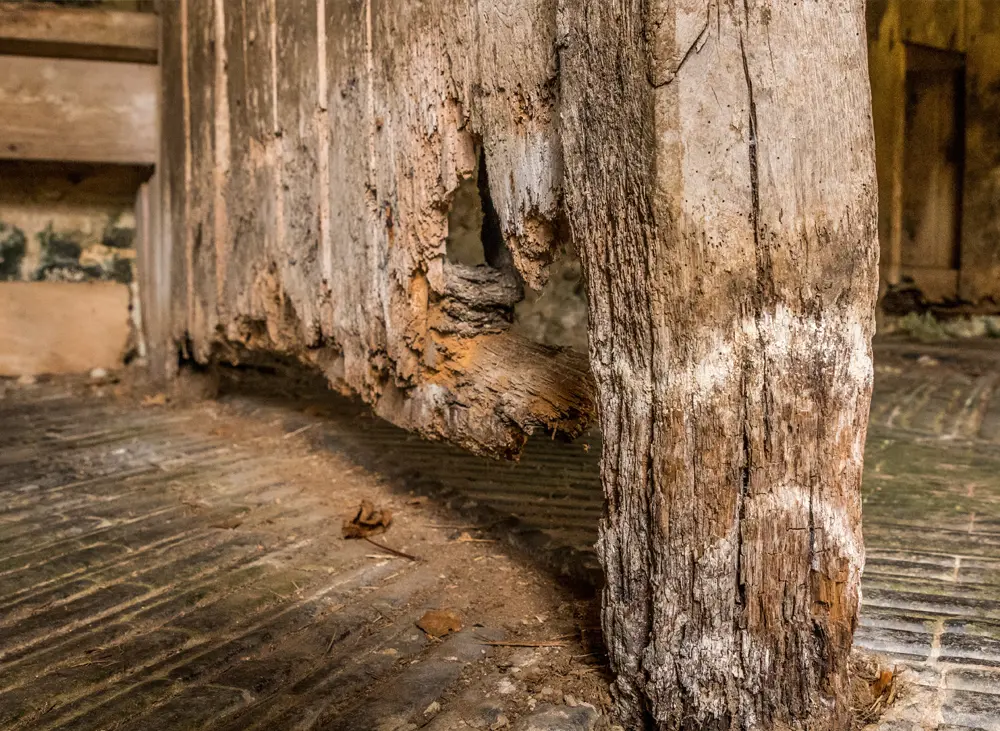
- Weakened Wood: Affected timber will lose its structural integrity, becoming soft, spongy, and prone to crumbling.
- Fungal Growth: The appearance of mushroom-like growth on wooden surfaces is a clear sign of wet rot infestation.
Dealing with Wet Rot
To effectively combat wet rot, consider the following steps:
- Eliminate the Source of Moisture: Identify and rectify any sources of moisture, such as leaks or inadequate ventilation, to prevent further proliferation of wet rot.
- Remove Affected Wood: Remove and replace any wood that is beyond repair, ensuring that the surrounding areas are thoroughly dried before any restoration work begins.
- Apply Fungicidal Treatment: Treat the affected and surrounding areas with a potent fungicidal solution to arrest the spread of wet rot.
- Repair and Reinstate: Undertake necessary repairs and reinstatement of any damaged structures or surfaces, ensuring comprehensive restoration of the affected area.
- Implement Preventative Measures: Take proactive measures to improve ventilation, address plumbing and roofing issues promptly, and maintain a dry environment to prevent the recurrence of wet rot.
Conclusion
In Preston, the battle against wet rot is a critical component of preserving the longevity and safety of your property. Valley View Plastering & Damp Proofing is dedicated to providing expert guidance and comprehensive solutions to combat the challenges posed by wet rot. If you’re grappling with wet rot or related issues, do not hesitate to reach out to us for professional assistance. Together, let’s ensure your property remains robust, secure, and free from the perils of wet rot, regardless of the weather challenges in Preston.
Request A Call
Complete the form below and one of our team will give you a call to discuss how we can help.