Unveiling the Mystery of Rising Damp: Causes and Effective Solutions in Preston
Nestled in the historic city of Preston, homeowners often encounter the persistent issue of rising damp. As a result, understanding the causes and remedies for rising damp is crucial in preserving the structural integrity and aesthetic appeal of your property. Valley View Plastering & Damp Proofing is dedicated to shedding light on rising damp, offering effective solutions tailored to the needs of Preston’s diverse architecture.
Understanding Rising Damp
Rising damp is a common problem in properties, especially in regions like Preston, where the weather can be unpredictable. It occurs when groundwater ascends through porous building materials, such as bricks and mortar, causing damp patches on walls and promoting the growth of mold and mildew.
Causes of Rising Damp
- Lack of or Faulty Damp Proof Course (DPC): A damaged or absent damp proof course is often the primary reason behind rising damp. In some older properties, the damp proof course may have deteriorated over time, leading to the infiltration of moisture.
- High Groundwater Levels: Preston’s geographical location, coupled with varying water tables, can result in high groundwater levels, which exacerbate the occurrence of rising damp in properties.
- Cracks and Voids: Structural defects, such as cracks in walls or gaps around pipes, can provide an entry point for moisture, contributing to rising damp.
- Capillary Action: Porous building materials can draw moisture upward through capillary action, leading to visible signs of dampness on internal walls.
Identifying Rising Damp
Detecting rising damp in its early stages is essential for effective mitigation. Look out for the following signs:
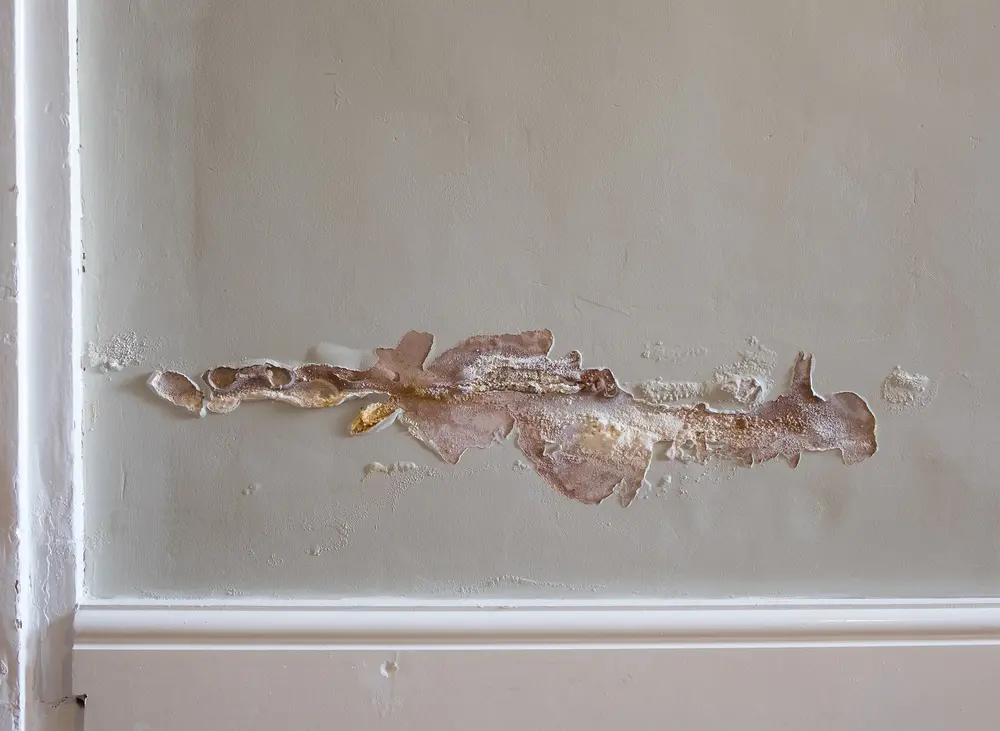
- Tide Marks and Stains: Stains and tide marks on the lower sections of the wall indicate the presence of rising damp.
- Peeling Paint and Wallpaper: As moisture penetrates the walls, paint and wallpaper may start to peel and bubble.
- Damp and Musty Odors: A persistent musty smell often signifies the presence of rising damp and mold growth.
- Salt Deposits: White powdery deposits, known as efflorescence, may appear on walls, indicating the movement of moisture through the building materials.
Dealing with Rising Damp
To effectively tackle rising damp, consider the following steps:
- Install or Repair Damp Proof Course: Ensure that a functional damp proof course is in place. If it’s damaged or absent, professional installation or repair is necessary.
- Improve Drainage: Enhance the property’s drainage system to divert groundwater away from the building, reducing the likelihood of rising damp.
- Repair Structural Defects: Seal any cracks or gaps in the walls and around pipes to prevent the entry of moisture.
- Treat and Remove Mold: If mold has developed as a result of rising damp, it’s crucial to treat and remove it to prevent further health risks and structural damage.
- Replaster and Redecorate: Remove and replace any damaged plaster and redecorate the affected area to restore the aesthetic appeal of your property.
Preventative Measures for the Future
To prevent the recurrence of rising damp, consider the following preventative measures:
- Regular maintenance and inspection of the damp proof course and structural integrity of the property.
- Implementing proper ventilation systems to minimize moisture buildup.
- Ensuring proper drainage around the property to divert groundwater away from the building.
- Timely repair of any structural defects or damages to the building’s exterior.
Conclusion
Rising damp can pose serious threats to the structural integrity and aesthetic appeal of your property in Preston. However, with the right knowledge and professional expertise, it can be effectively addressed. Valley View Plastering & Damp Proofing specializes in providing tailored solutions for rising damp issues. If you’re dealing with rising damp or related concerns, don’t hesitate to reach out to us for expert guidance and comprehensive assistance. Let’s work together to keep your property dry, safe, and beautiful, irrespective of the challenges presented by rising damp in Preston.
Request A Call
Complete the form below and one of our team will give you a call to discuss how we can help.